
Can a Small Car Habit Affect Your Florida Driver’s License Test Result?

Many drivers prepare for a road test by focusing on major skills such as parking, turning, lane changes, and following traffic signs. Yet, small habits can also affect how safely and consistently someone drives. Something as simple as checking mirrors too late, resting a hand incorrectly, rolling slightly at a stop, or changing speed unnecessarily can become noticeable during an assessment. Understanding these habits before the florida drivers license test can help learners turn everyday driving into more controlled, predictable, and confident driving.

Driver Training: Why Small Habits Matter More Than You Think
Small driving habits often develop because a driver becomes comfortable with a particular routine. During normal practice, a learner may get away with checking a mirror only occasionally, braking a little late, or making a turn without fully scanning the surrounding area. The problem is that these behaviours can become automatic. During an evaluation, the examiner is looking at the driver's overall control, awareness, decision-making, and ability to operate the vehicle safely. A habit that seems insignificant to the driver can therefore become relevant when it affects observation or control.
Driving Classes Should Build Consistent Habits
Good driving classes should not focus only on getting a learner from one location to another. They should help develop repeatable behaviours that work across different traffic situations. For example, a learner should gradually become comfortable checking mirrors before changing speed or position, scanning intersections before entering them, maintaining an appropriate following distance, and responding calmly when another road user behaves unexpectedly. Repetition matters because safe actions become easier to perform naturally when they have been practised consistently rather than memorized immediately before an exam.
Florida Driving Lessons: The Everyday Habits Worth Watching
During florida driving lessons, learners can benefit from identifying habits that appear harmless but may indicate inconsistent vehicle control or observation. One example is braking too late at intersections. Another is accelerating immediately after a light changes without first checking whether the intersection is clear. Other examples include drifting within a lane, forgetting to cancel a turn signal, frequently looking down at controls, or failing to make deliberate mirror checks. None of these behaviours should automatically be treated as a test failure, but repeated habits can create safety concerns and make a driver's performance less consistent.
Mirror Checking Is More Than Looking Quickly
Mirror use is a particularly important habit because simply glancing at a mirror does not always demonstrate effective observation. A driver should understand why they are checking it and what information they are looking for. Before changing lanes or position, the driver needs to assess surrounding traffic and confirm that the intended movement can be completed safely. Learners who only practise mirror checks when an instructor reminds them may struggle to perform them naturally during an independent drive. The goal is to make observation part of the driving process rather than a separate task remembered only during lessons.
Small Steering Habits Can Reveal Driver Control
Steering habits can also influence the quality of a driving assessment. Some learners turn the wheel too aggressively, while others make repeated small corrections because they are not looking far enough ahead. Another common habit is allowing the vehicle to move toward one side of the lane before correcting it. These behaviours may become more noticeable on unfamiliar roads, during curves, or when traffic requires the driver to divide attention between several tasks. Smooth steering generally comes from looking ahead, understanding the road's direction, controlling speed appropriately, and avoiding unnecessary last-second movements.
Stop Sign Habits Deserve Extra Attention
A driver can know that a complete stop is required but still develop a poor stopping habit. For instance, someone may stop beyond the ideal position, stop before the required line and then move forward without checking properly, or approach the sign too quickly and brake abruptly. Practising controlled approaches can help. The driver should recognize the stop requirement early, reduce speed smoothly, stop appropriately, and then make the necessary observations before proceeding. This is a good example of why driver training should focus on the complete sequence of a manoeuvre rather than simply memorizing individual traffic rules.
Driving Instructor Training Florida: Learning to Spot Hidden Habits
Quality instruction is not only about teaching a learner what to do. It is also about identifying behaviours the learner may not realize they are repeating. A useful instructor can observe patterns over several drives and explain when a habit creates a potential safety problem. For example, a learner might look competent while driving on a quiet residential street but become less consistent when several things happen at once. Effective coaching can identify that change and create practice situations that gradually build better decision-making without overwhelming the driver.
Why Repetition Matters Before an Assessment
A learner should not depend on remembering a long list of instructions immediately before a test. The more useful approach is to practise until important behaviours become routine. Mirror checks, appropriate signaling, speed management, controlled stops, lane positioning, and scanning should gradually happen without constant verbal prompting. This is where structured practice can be more valuable than simply accumulating driving hours. The purpose is not to make every drive identical; it is to make the driver's safety habits reliable even when the road, traffic, weather, or surrounding vehicles change.
Affordable Driving School in Florida: What Should You Look For?
When comparing an affordable driving school in Florida, price should not be the only consideration. A lower lesson price may not be useful if the instruction does not address the learner's specific weaknesses. Prospective students should consider whether lessons include practical road experience, individualized feedback, progressive skill development, and opportunities to practise different traffic environments. A learner who struggles with observation needs different coaching from someone who has difficulty controlling speed or positioning. The value of instruction is therefore closely connected to whether it helps correct the habits that actually affect the driver's performance.
Practice on More Than Familiar Roads
Another useful strategy is to avoid practising exclusively on the same quiet streets. Familiar roads can make driving feel easier because the learner already knows the intersections, signs, lane arrangements, and common traffic patterns. That familiarity can hide weaknesses. Gradually introducing unfamiliar roads encourages the driver to read signs, identify lane markings, manage changing traffic conditions, and make decisions independently. This type of practice can be particularly useful before an assessment because the learner becomes less dependent on memorized routes and more capable of applying safe driving principles wherever the vehicle is being driven.
How to Identify a Habit Before Test Day
One practical method is to ask an instructor or experienced supervising driver to observe without immediately correcting every action. After the drive, review the patterns that occurred repeatedly. Did the driver check mirrors consistently? Did they maintain appropriate speed when entering unfamiliar areas? Were stops controlled? Did they signal early enough? Did they make decisions independently or wait for instructions? This type of review can reveal habits that are difficult for the driver to notice while concentrating on the road. Correcting one or two recurring behaviours at a time is often more productive than trying to change everything simultaneously.
When a Small Habit Becomes a Bigger Concern
Not every imperfect action has the same significance. A single awkward steering correction is different from repeatedly losing lane position. A slightly hesitant decision is different from consistently failing to observe surrounding traffic. Drivers should therefore avoid becoming obsessed with making every movement perfect. The objective is safe, legal, controlled driving. If a habit repeatedly affects observation, vehicle control, communication with other road users, or the driver's ability to respond safely, it deserves focused practice. This balanced approach can reduce unnecessary anxiety while still addressing genuine weaknesses.
Preparing for the Florida Driver’s License Test
Preparation should be based on readiness rather than simply the number of lessons completed. A learner may be approaching test readiness when they can drive familiar and unfamiliar roads without constant prompting, manage routine traffic situations, maintain appropriate vehicle control, and recognize developing situations early. They should also be capable of correcting a minor mistake safely without becoming distracted by it. The florida drivers license test is not simply about demonstrating that a learner can move a vehicle; it is an opportunity to show that the driver can make safe decisions while managing the vehicle and surrounding environment.
The best preparation also includes honest feedback. If an instructor repeatedly points out the same behaviour, it is worth treating that pattern as useful information rather than criticism.
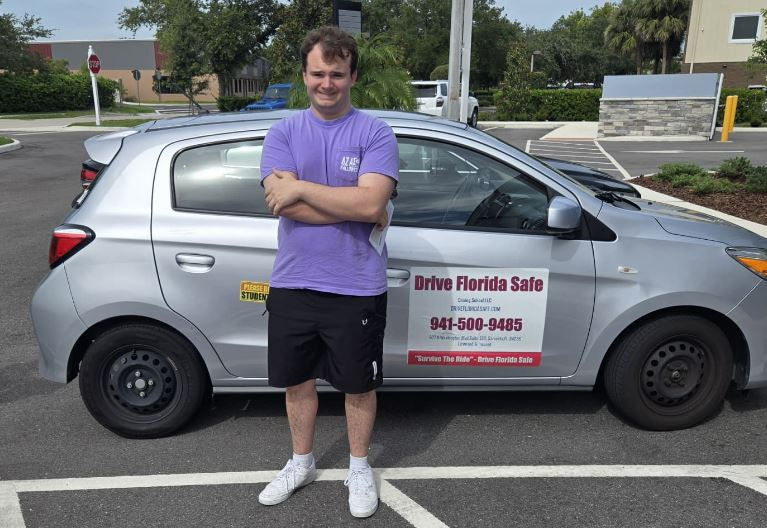
Drive Florida Safe Driving School can be considered by learners who want structured practice focused on developing dependable driving habits rather than simply repeating a familiar route. The emphasis should remain on building practical skills that can transfer to everyday driving.
For learners comparing an affordable driving school in Florida, Drive Florida Safe Driving School can provide an option for structured practice and guidance while learners work on areas that need improvement. Drive Florida Safe Driving School can help learners approach their preparation with greater awareness of the small behaviours that contribute to safe, controlled driving.


Comments